
DPF Carbon Cleaning in Taree
- Full-Service Mechanical Workshop
- European Car Expertise
- Fully Licenced with Local Reputation
Request a Call Back
Thank you for contacting AA Automotive Repairs.
We will get back to you as soon as possible.
Oops, there was an error sending your message.
Please try again later.
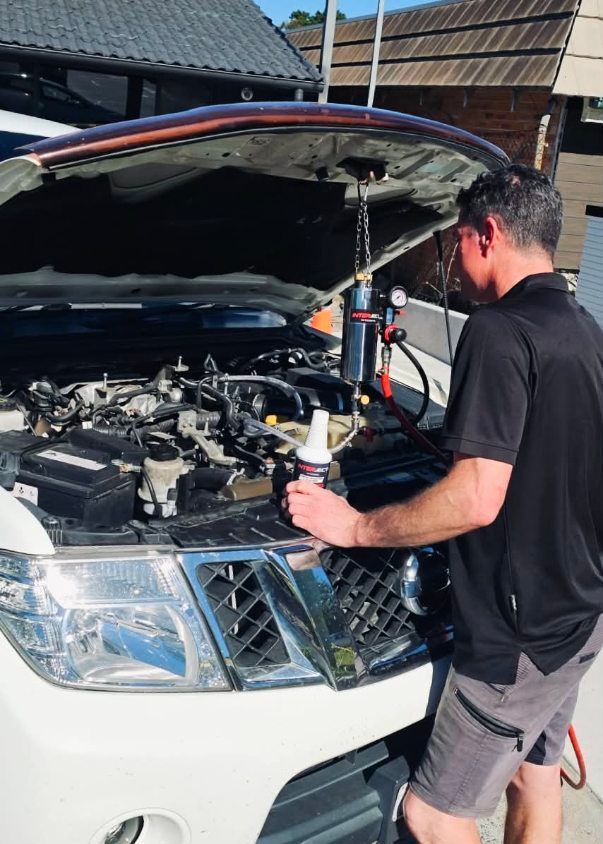
Diesel Filter Cleaning for Taree Drivers
AA Automotive Repairs has been working on vehicles for local drivers for years, including DPF carbon cleaning. Diesel engines rely on that filter to trap soot from the exhaust, but plenty of daily driving around town simply doesn't get hot enough for it to clear itself naturally.
That's where a proper clean makes all the difference, restoring airflow and getting your engine breathing properly again. It's a far more affordable option than a full filter replacement, and it works well as long as the filter itself hasn't suffered any physical damage.
Drivers heading in from Taree choose us because we take the time to check things properly before recommending any work, rather than jumping straight to the most expensive fix. We understand the demands of regional driving, from long stretches on the highway to stop-start trips through town and how differently that affects a diesel filter over time.
If your car's feeling flat or that dashboard light won't go away, give our team a call on
(02) 6555 7922 and we'll get you sorted.
Delivering Quality Services
Straightforward Service, Honest Advice
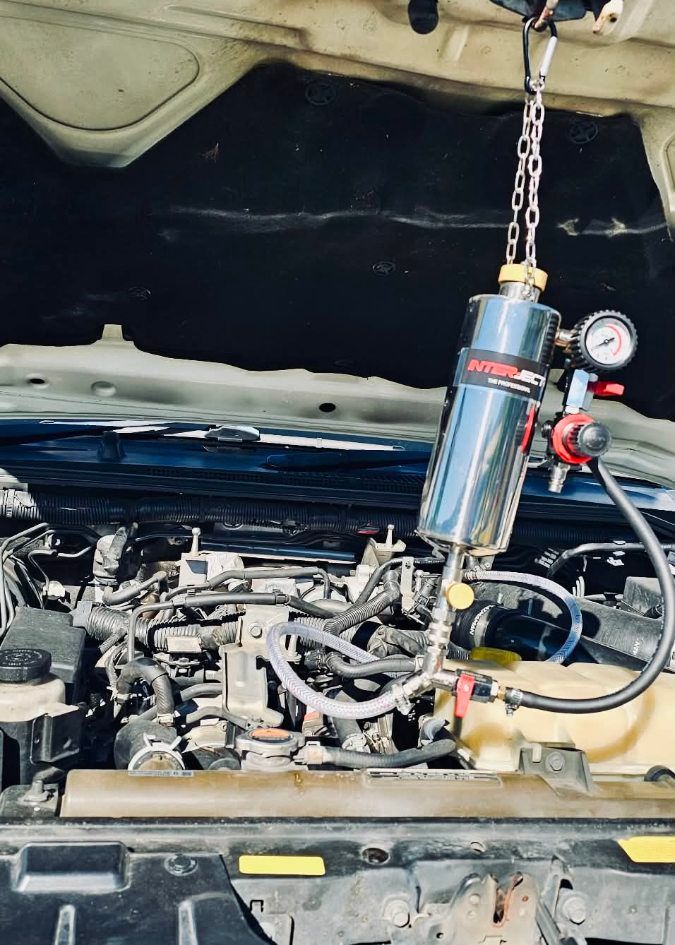
Getting your DPF cleaned with us starts with a proper diagnostic check, so we can confirm soot build-up is actually the cause before recommending anything. We use specialised equipment designed to break down and clear trapped soot without needing to remove or replace the entire filter, which keeps the job efficient and the cost down.
For drivers coming in from Taree, that means less time off the road and a clearer idea of what's actually going on with your vehicle. We talk you through what we find in plain terms, no confusing jargon, so you understand exactly why the filter clogged and what to expect going forward.
Our team has handled diesels across all kinds of driving conditions, from tradies doing short local runs to drivers regularly covering longer distances, and that experience means we know what to look for beyond just the obvious symptoms. We'll also flag anything else worth keeping an eye on, since a struggling filter can sometimes point to other issues worth checking early.
At the end of the day, we want your diesel running the way it should, without unnecessary cost or hassle.
Frequently Asked Questions
How do you know if a DPF needs cleaning?
Common warning signs include a dashboard DPF or engine warning light, noticeably reduced power or slower acceleration, an increase in fuel consumption, rougher or uneven idling and darker or heavier exhaust smoke than usual. Many vehicles also enter a restricted 'safe mode' that limits speed and engine revs until the issue is resolved, which is a strong indicator something needs attention.
These symptoms usually build up gradually over weeks or months as soot accumulates, rather than appearing all at once, so a vehicle that feels progressively less responsive is often signalling a filter under strain. A diagnostic check using proper equipment can measure exhaust back pressure and soot loading, confirming whether a blocked filter is the actual cause rather than a separate sensor or turbo fault producing similar symptoms.
How often should a DPF be cleaned?
There's no single fixed distance that applies to every vehicle, since it depends far more on driving conditions than kilometres travelled. Cars used mostly for short trips, town driving or stop-start traffic clog considerably faster, because the exhaust rarely reaches the temperature required for the filter to self-clean through regeneration.
Vehicles doing regular sustained highway driving tend to go much longer between cleans, sometimes well past 100,000 kilometres, while those doing frequent short journeys might need attention every 20,000 to 40,000 kilometres. Manufacturer service guidelines and dashboard warning indicators remain the most reliable way to judge timing, and having the filter checked as part of a routine service helps catch a developing blockage before it starts affecting how the car drives.
Is cleaning a DPF better than replacing it?
For most vehicles, cleaning is the more sensible first option, largely because a full DPF replacement is one of the costlier repairs associated with modern diesel engines. Professional cleaning equipment is designed to break down and clear soot build-up without removing the entire unit, and this works effectively provided the filter hasn't suffered physical damage such as cracking or melting.
Replacement generally only becomes necessary when the filter has sustained structural damage, has been neglected for a long period or continues failing despite repeated cleaning attempts. Having the filter properly assessed before assuming it needs replacing can prevent an unnecessary and expensive parts swap, making a diagnostic check well worth the time.


